At the same time, remote work has redefined what buyers expect from their homes. Properties are no longer just living spaces—they must also function as productive work environments, offering dedicated office areas, high-speed internet connectivity, and flexible layouts.
For investors, this transformation presents new opportunities and challenges. Understanding how remote work continues to influence the market is essential for identifying high-growth areas and adapting to evolving buyer behavior.
In this article, we explore how remote work is still reshaping real estate in 2026—and what it means for buyers, sellers, and investors moving forward.
Migration Trends: Buyers Are Moving Where They Want, Not Where They Work
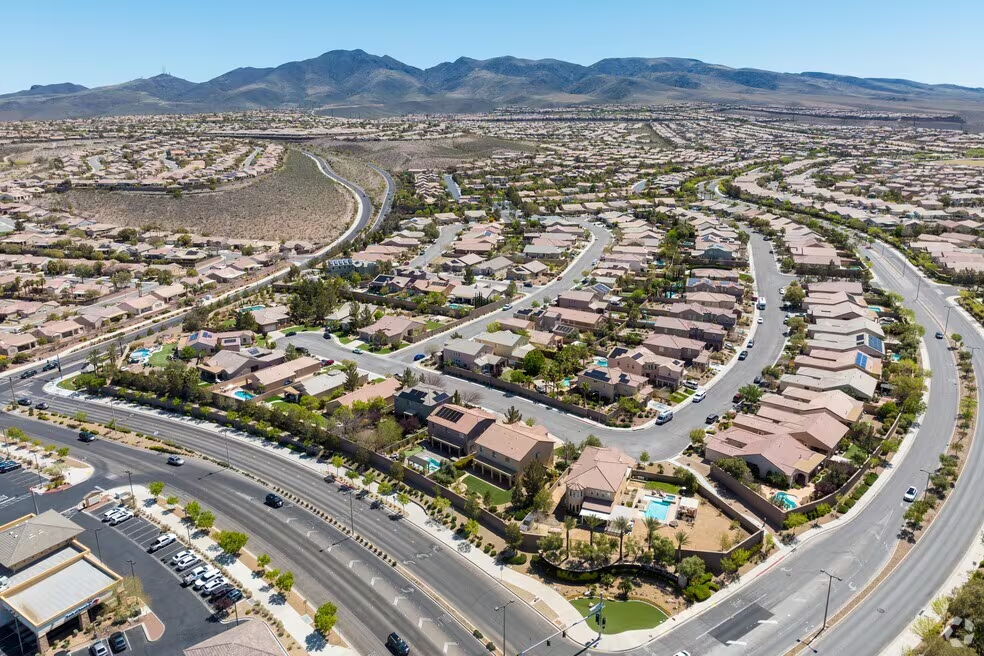
One of the most significant impacts of remote work in 2026 is the continued shift in migration patterns. Buyers are no longer tied to major employment hubs, allowing them to choose locations based on lifestyle preferences rather than proximity to the office. This has led to increased demand in suburban areas, smaller cities, and lifestyle-driven markets such as Las Vegas.
Affordability plays a major role in this trend. Many buyers are leaving high-cost cities in search of more affordable housing options where they can get more space for their money. This has driven growth in regions that previously saw limited demand, creating new opportunities for both buyers and investors.
In addition to affordability, quality of life is a major factor influencing relocation decisions. Access to outdoor spaces, lower population density, and a better overall living environment are becoming top priorities for remote workers.
For real estate investors, these migration trends highlight the importance of identifying emerging markets before they reach peak demand. Areas experiencing population growth are more likely to see property appreciation and increased rental demand.
Understanding where people are moving—and why—is essential for making informed real estate decisions in today’s evolving market.
Home Design Has Changed: Work-from-Home Features Are Essential
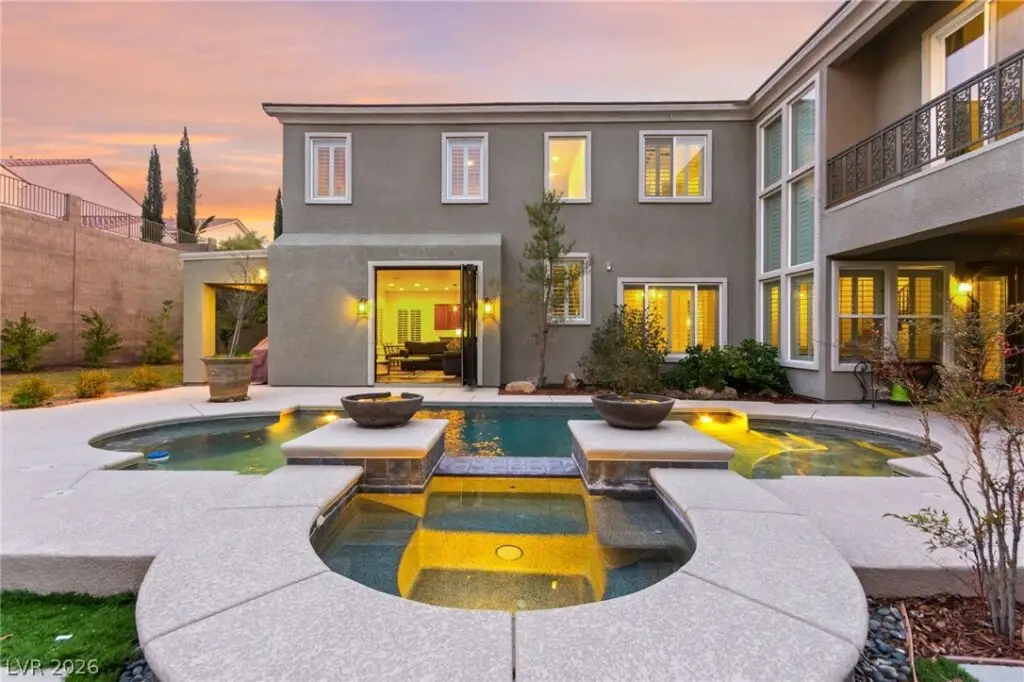
Remote work has fundamentally changed what buyers expect from their homes. In 2026, having a dedicated home office is no longer a luxury—it’s a necessity. Buyers are actively searching for properties that can support productivity, privacy, and comfort during working hours.
Modern home designs now prioritize flexible layouts that allow spaces to serve multiple functions. Spare bedrooms are being converted into offices, and open-concept designs are being reimagined to include private work areas.
In addition to physical space, technology is playing a crucial role. High-speed internet, strong connectivity, and smart home features are now essential components of a remote-friendly home. Without these elements, properties may struggle to compete in the current market.
Soundproofing, natural lighting, and ergonomic design are also becoming key considerations, as buyers seek environments that enhance focus and well-being.
For sellers, highlighting these features can significantly increase a property’s appeal. For developers, incorporating remote work-friendly designs into new builds is becoming a standard expectation.
As remote work continues to shape buyer preferences, homes that support productivity and flexibility will remain in high demand.
Suburban and Lifestyle Markets Are Booming
The rise of remote work has fueled strong growth in suburban and lifestyle-focused real estate markets. In 2026, buyers are prioritizing space, comfort, and community amenities over proximity to urban business districts.
Suburban areas offer larger homes, more outdoor space, and a quieter environment—qualities that are highly appealing to remote workers. This has led to increased demand in master-planned communities, gated neighborhoods, and areas with strong lifestyle offerings.
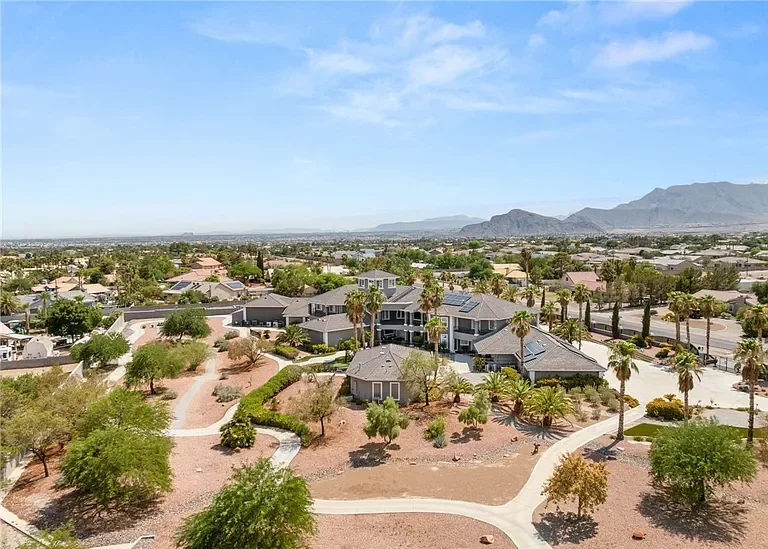
Markets like Las Vegas are benefiting from this trend, attracting buyers who are looking for a combination of affordability, entertainment, and quality of life. These areas provide access to amenities such as parks, golf courses, and recreational facilities, making them ideal for long-term living.
Additionally, lifestyle communities that offer walkability, social spaces, and wellness amenities are becoming increasingly popular. Buyers are looking for environments that support both work and leisure, creating a balanced lifestyle.
Remote Work Is Changing Rental Demand and Investment Strategies
Remote work is not only affecting homebuyers—it is also reshaping the rental market and investment strategies in 2026. With more people working from home, renters are seeking properties that offer additional space, comfort, and functionality.
This has increased demand for larger rental units, including single-family homes and properties with extra rooms that can be used as offices. As a result, investors are shifting their focus toward properties that cater to remote workers.
Location preferences are also changing. Renters are moving away from expensive urban centers and toward more affordable suburban areas, where they can get better value and more space. This has created new rental hotspots in previously overlooked markets.
Additionally, flexible leasing options and furnished rentals are becoming more popular, as remote workers value mobility and convenience.
For investors, these changes highlight the importance of adapting strategies to meet evolving tenant needs. Properties that offer space, comfort, and remote work-friendly features are more likely to attract tenants and maintain high occupancy rates.
Understanding these trends can help investors identify opportunities and maximize returns in a rapidly changing rental market.
The Future of Real Estate in a Remote-First World
As remote work continues to evolve, its impact on real estate is expected to grow even further. In 2026 and beyond, the market will continue to adapt to changing buyer preferences and lifestyle needs.
Hybrid work models are likely to become the standard, allowing employees to split their time between home and office. This will maintain the demand for flexible living spaces while preserving some connection to urban centers.
Technology will also play an increasingly important role in real estate, from virtual property tours to smart home integration. These innovations will enhance the buying experience and make properties more attractive to tech-savvy buyers.
CONCLUSION
Remote work has permanently transformed the real estate market, reshaping how buyers, renters, and investors approach property decisions in 2026. From shifting migration patterns to evolving home design preferences, its impact can be seen across every segment of the market.
Buyers now prioritize flexibility, space, and lifestyle, leading to increased demand in suburban and emerging markets. At the same time, properties that support remote work—such as those with dedicated office spaces and strong connectivity—are becoming the new standard.
For investors, this shift presents both challenges and opportunities. Adapting to changing tenant needs and focusing on high-demand locations can lead to strong returns and long-term growth.
As remote work continues to evolve, its influence on real estate will remain significant. Those who understand and adapt to these changes will be best positioned to succeed in today’s dynamic market.
Whether you’re buying, selling, or investing, recognizing the impact of remote work is essential for making informed decisions in 2026 and beyond.
If you’re looking to take advantage of today’s evolving real estate market, understanding trends like remote work is key to making smart decisions. Whether you’re searching for a home that fits your new lifestyle or investing in high-demand areas, having the right strategy is essential.
At Roy Shetrit Real Estate, we help clients navigate these changes with confidence. From identifying properties that meet modern buyer expectations to uncovering investment opportunities in growing markets, our team provides expert guidance tailored to your goals.