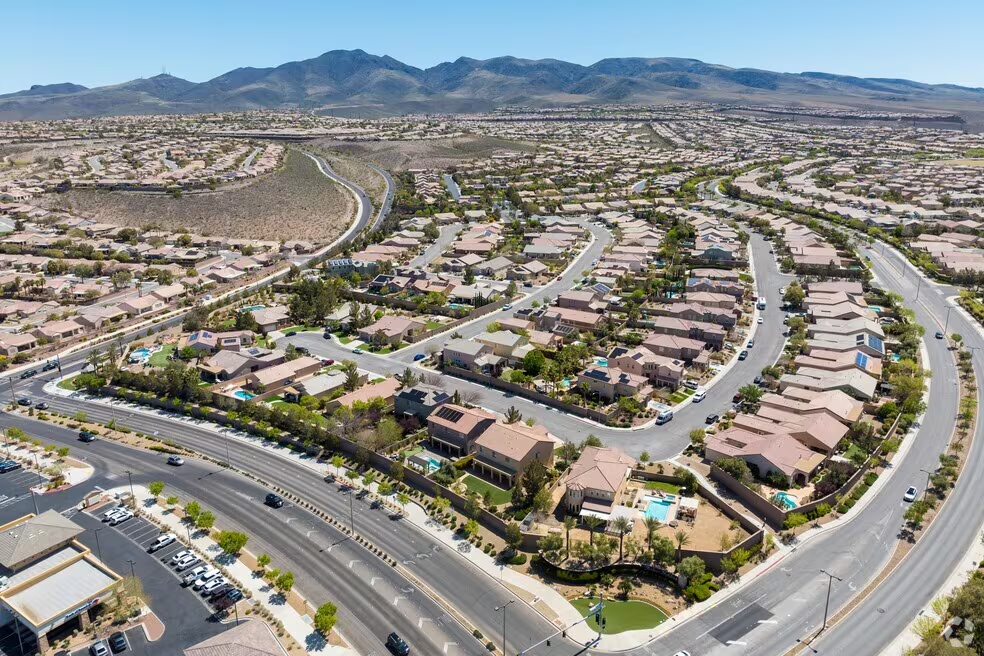
Mortgage Rates in 2026 Explained: Will They Finally Drop or Stay Above 6%?

Mortgage rates have remained one of the most critical factors shaping the real estate market, and in 2026, they continue to be a major concern for buyers, sellers, and investors alike. After peaking above 7% in previous years, rates have gradually stabilized, but uncertainty still dominates the market. As of early 2026, average 30-year mortgage rates are hovering around the 6% range, with recent fluctuations driven by inflation concerns, global economic instability, and Federal Reserve policy decisions.

Roy Shetreat

Market Consultant
Expert in high-end residential strategy and market analysis for the Las Vegas valley.
Related Articles

Understanding Mortgage Rates in 2026: Will They Finally Drop?

What to Expect When Selling Your Home in 2026: A Seller's Playbook
Sustainable & Green Homes: Why Eco-Friendly Properties Are Booming in 2026

Many prospective buyers are asking the same question: will mortgage rates finally drop to more affordable levels, or will they remain elevated for the foreseeable future? While some forecasts suggest a modest decline, experts largely agree that a return to ultra-low rates seen during the pandemic is unlikely anytime soon. Understanding where mortgage rates are headed in 2026 is essential for making informed real estate decisions. Whether you’re planning to buy a home, invest in property, or refinance, having clarity on rate trends can significantly impact your financial strategy. In this article, we break down the latest mortgage rate forecasts, key factors influencing rate movements, and what buyers should realistically expect in today’s evolving housing market.

Where Mortgage Rates Stand in 2026

As of 2026, mortgage rates have stabilized compared to the volatility of previous years, but they remain significantly higher than the historic lows seen during 2020–2021. Current data shows that the average 30-year fixed mortgage rate is hovering around 6% to 6.3%, with short-term fluctuations influenced by inflation and global economic conditions.

Recent market movements indicate that rates are not following a steady downward trend. In fact, they have experienced periodic increases due to rising Treasury yields and geopolitical uncertainty, which directly impact borrowing costs.

Despite these fluctuations, rates today are still lower than the peaks recorded in 2023, when mortgage rates approached nearly 8%. This gradual decline has improved affordability slightly, but not enough to significantly boost housing demand.

Experts agree that 2026 will likely be a year of stabilization rather than dramatic change. Instead of sharp drops, buyers should expect mortgage rates to remain within a narrow range, creating a more predictable—but still challenging—environment for home financing.
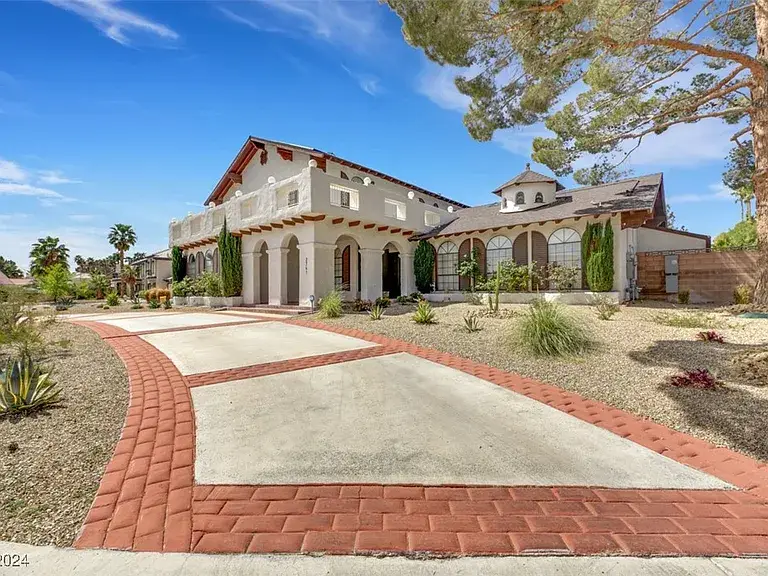
For buyers, this means timing the market perfectly is less important than understanding long-term affordability and financial readiness.

Will Mortgage Rates Drop in 2026? What Experts Say

The biggest question in today’s housing market is whether mortgage rates will finally drop in 2026. According to leading financial institutions and housing analysts, the answer is nuanced: rates may decline slightly, but not dramatically.

Forecasts from major institutions like Fannie Mae and Morgan Stanley suggest that mortgage rates could fall to around 5.5% to 5.9% by the end of 2026, depending on economic conditions. However, these projections are highly dependent on inflation slowing and the Federal Reserve adjusting its monetary policy accordingly.

At the same time, many economists caution that rates will likely remain near the 6% range for most of the year, reflecting ongoing economic uncertainty and persistent inflation pressures. Short-term volatility is also expected. Factors such as global conflicts, oil prices, and labor market strength can cause temporary spikes in mortgage rates, even if the overall trend is slightly downward. Ultimately, while 2026 may bring modest relief compared to previous years, buyers should not expect a return to the historically low rates of the past decade. Instead, the market is transitioning into a “new normal” where rates stabilize at moderately higher levels.

Key Factors That Influence Mortgage Rates

Mortgage rates are influenced by a complex combination of economic factors, making them difficult to predict with certainty. One of the most significant drivers is inflation. When inflation remains high, lenders increase rates to maintain profitability, which directly impacts borrowing costs for homebuyers. Another critical factor is the Federal Reserve’s monetary policy. While the Fed does not directly set mortgage rates, its decisions on short-term interest rates influence the broader financial system, including the 10-year Treasury yield, which mortgage rates closely follow.
Global economic conditions also play a major role. Events such as geopolitical conflicts or supply chain disruptions can drive up energy prices and inflation, leading to higher mortgage rates. Additionally, investor demand for mortgage-backed securities impacts how lenders price loans. When demand is high, rates may decrease; when demand weakens, rates tend to rise. Understanding these factors helps explain why mortgage rates can fluctuate even when the economy appears stable. For buyers and investors, staying informed about these drivers is essential for making strategic real estate decisions in 2026.

How Mortgage Rates Impact Buyers and Investors

Mortgage rates have a direct and significant impact on affordability, influencing how much buyers can borrow and what they can realistically afford. Even a small change in interest rates can translate into hundreds of dollars in monthly payments, affecting purchasing power and long-term financial planning.

In 2026, with rates hovering around 6%, many buyers are adjusting their expectations, either by lowering their budgets or exploring different financing options. While affordability challenges remain, some relief has come from stabilizing home prices and increased housing inventory.

For investors, higher mortgage rates can reduce profit margins, particularly for leveraged investments such as rental properties or fix-and-flip projects. However, they can also create opportunities, as reduced competition may lead to better deals and more negotiating power.

Additionally, many buyers are adopting a “buy now, refinance later” strategy, anticipating that rates may decrease in the future. This approach allows them to secure a property while keeping the option to lower their monthly payments later.

Ultimately, mortgage rates are shaping not just affordability, but also buyer behavior and investment strategies across the real estate market.

Should You Wait or Buy Now in 2026?

One of the most common dilemmas buyers face in 2026 is whether to wait for lower mortgage rates or move forward with a purchase now. While it may be tempting to delay in hopes of better rates, timing the market perfectly is extremely difficult—even for experienced investors.

Although forecasts suggest a slight decline in rates, there is no guarantee that significant drops will occur in the short term. In fact, unexpected economic events could cause rates to rise again, creating even more uncertainty.

Waiting also comes with opportunity costs. As rates decrease, demand typically increases, which can drive home prices higher and reduce negotiating power for buyers. This means that any savings from lower interest rates could be offset by higher purchase prices. For many buyers, the best strategy is to focus on personal financial readiness rather than trying to predict market movements. If you find the right property and can comfortably afford the payments, buying now and refinancing later may be a more practical approach. Ultimately, the decision should be based on long-term goals, financial stability, and market conditions—not speculation alone.

CONCLUSION

Mortgage rates in 2026 are entering a phase of relative stability, but uncertainty remains a defining factor in the housing market. While there is strong evidence suggesting that rates may decline slightly over time, most forecasts indicate that they will remain around the 6% range for the foreseeable future.
This “new normal” reflects broader economic conditions, including persistent inflation, cautious Federal Reserve policies, and global financial uncertainty. Rather than expecting dramatic drops, buyers and investors should prepare for a more balanced and predictable rate environment.
Understanding mortgage rate trends is essential for making informed real estate decisions. Whether you’re buying your first home, upgrading to a luxury property, or investing in real estate, having a clear strategy will help you navigate today’s market with confidence.
Ultimately, success in real estate is not about perfectly timing interest rates—it’s about making smart, well-informed decisions that align with your financial goals. Those who adapt to current conditions and plan strategically will be best positioned to take advantage of opportunities in 2026 and beyond.

If you’re planning to buy or invest in real estate in 2026, understanding mortgage rates is just one piece of the puzzle. Navigating today’s market requires expert guidance, strategic planning, and access to the right opportunities.

Whether you’re searching for a luxury home, exploring investment properties, or evaluating financing options, working with a knowledgeable real estate professional can give you a significant advantage. From identifying the best properties to negotiating favorable terms, having the right support ensures you make confident decisions in a competitive market.

At Roy Shetrit Real Estate, we help clients stay ahead of market trends, including mortgage rate movements, so they can act at the right time with the right strategy. Our team provides personalized guidance tailored to your goals, whether you’re buying, selling, or investing.

READY WHEN YOU ARE

I am committed to guiding you every step of the way whether you’re buying a home, selling a property, or securing a mortgage. Whatever your needs, I’ve got you covered.

Get in Touch

Contact Details

OFFICE ADDRESS:
9525 W RUSSELL RD C120
LAS VEGAS, NV 89148

Already know we’re a good fit? 😅⬇️

Lets Chat:

Contact Information

Thank you

Already know we’re a good fit? 😅⬇️

Lets Chat:

Contact Information

Get your instant home valuation

Enter your details to see how much your home is worth.

Luxury Presence Home Value

Property Address

[code_snippet id=5 php format name="address11"]

[code_snippet id=5 php format name="address11"]