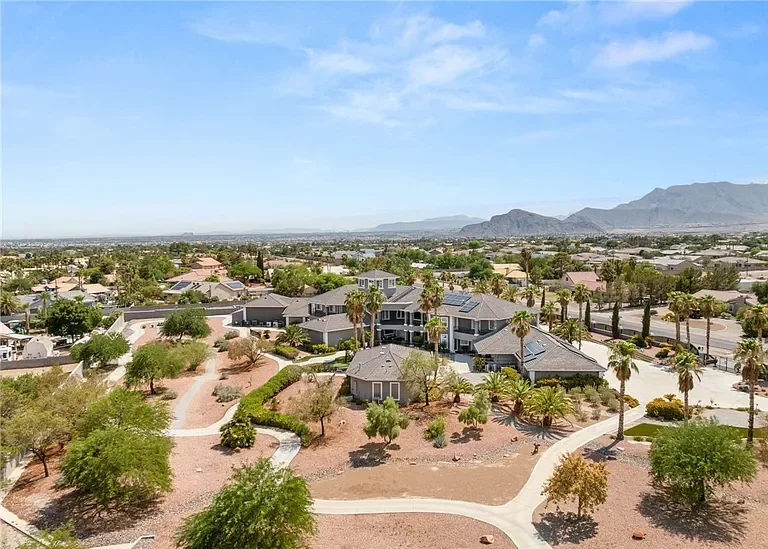
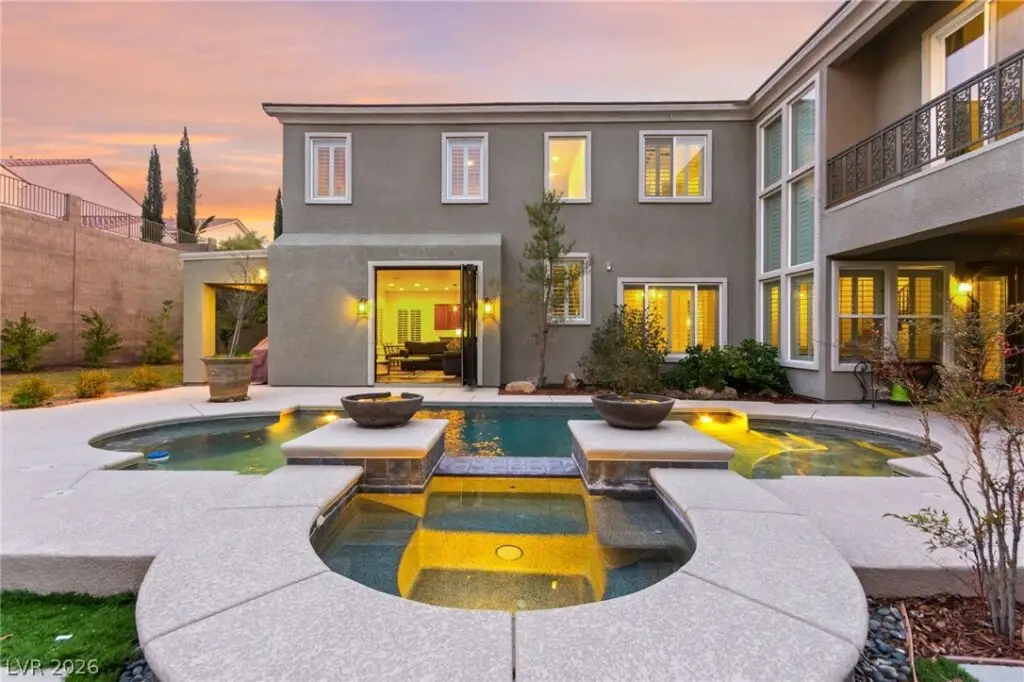
The good news is that demand still exists, especially for well-priced and well-presented properties. Buyers are still actively searching, but they are more selective and value-driven.
Understanding what to expect when selling your home in 2026 can make the difference between a quick, profitable sale and a prolonged listing.
In this seller’s playbook, we break down the key strategies, market trends, and expert insights you need to successfully sell your home in today’s evolving real estate market.
Pricing Your Home Correctly Is More Important Than Ever
In 2026, pricing your home correctly from the start is one of the most critical factors in achieving a successful sale. With more inventory available and buyers becoming increasingly selective, overpricing a property can lead to longer days on market and eventual price reductions.
Today’s buyers are well-informed, often researching comparable properties and market trends before making an offer. This means that unrealistic pricing is quickly identified and can discourage potential buyers from even considering a property.
A strategic pricing approach involves analyzing recent comparable sales (comps), current market conditions, and local demand. Sellers should work with experienced real estate professionals who can provide accurate pricing insights based on real-time data.
Additionally, pricing slightly below market value can sometimes generate more interest and create competitive bidding situations, ultimately driving the final sale price higher.
It’s also important to remain flexible. If your property is not attracting interest within the first few weeks, adjusting the price early can help maintain momentum and avoid a stale listing.
In today’s market, pricing is not just about setting a number—it’s about positioning your property competitively to attract the right buyers and maximize your return.
Home Presentation and Staging Are Non-Negotiable
In a more competitive 2026 market, first impressions matter more than ever. Buyers are not just looking for a house—they are looking for a home that feels move-in ready and aligns with their lifestyle expectations. This makes home presentation and staging essential components of the selling process.
Professionally staged homes tend to sell faster and at higher prices compared to unstaged properties. Staging helps buyers visualize how the space can be used, highlighting the home’s strengths while minimizing potential weaknesses.
Simple improvements such as decluttering, deep cleaning, and neutralizing décor can make a significant difference. Enhancing curb appeal—through landscaping, exterior maintenance, and inviting entryways—also plays a crucial role in attracting buyers.
In addition to physical presentation, high-quality photography and video marketing are essential. Most buyers begin their search online, and visually appealing listings are more likely to generate interest and showings.
For sellers, investing in presentation is not an expense—it’s a strategy to increase perceived value and attract competitive offers.
In 2026, homes that are well-presented stand out in a crowded market, giving sellers a clear advantage.
Marketing Your Property Strategically in a Digital-First Market
The way homes are marketed in 2026 has evolved significantly, with digital platforms playing a central role in reaching potential buyers. Simply listing a property on the MLS is no longer enough—sellers need a comprehensive marketing strategy to maximize exposure.
Online listings, social media campaigns, virtual tours, and targeted advertising are now essential tools for attracting buyers. High-quality visuals, compelling property descriptions, and strategic keyword usage can significantly improve a listing’s visibility.
Video marketing, in particular, has become a powerful tool, allowing buyers to experience a property remotely before scheduling a showing. This is especially important for out-of-state or international buyers.
Additionally, working with a real estate professional who understands digital marketing can make a significant difference. From SEO-optimized listings to targeted ad campaigns, the right approach can increase visibility and generate more qualified leads.
Expect More Negotiation and Buyer Requests
In 2026, sellers should be prepared for more negotiation compared to previous years. As the market becomes more balanced, buyers have greater leverage and are more likely to request concessions, repairs, or price adjustments.
Home inspections are playing a larger role in negotiations, with buyers using inspection results to request repairs or credits. Sellers should anticipate these requests and be prepared to respond strategically.
Additionally, buyers may ask for closing cost assistance or other incentives, particularly if they are facing affordability challenges due to higher mortgage rates.
While these requests may seem challenging, they are part of the normal negotiation process in a balanced market. Sellers who remain flexible and open to reasonable concessions are more likely to close deals successfully.
It’s important to work with an experienced real estate agent who can guide negotiations and protect your interests while keeping the transaction on track.
Ultimately, successful sellers in 2026 understand that negotiation is not about winning or losing—it’s about reaching an agreement that benefits both parties and leads to a successful sale.
Timing and Market Conditions Still Matter
Timing continues to play an important role in the home selling process, even in a more balanced 2026 market. Seasonal trends, local market conditions, and economic factors can all influence how quickly a home sells and at what price.
Traditionally, spring and early summer remain the most active seasons for real estate, with increased buyer activity leading to higher demand. However, 2026 has shown that opportunities can exist year-round, especially for well-prepared listings.
Monitoring local market trends—such as inventory levels, buyer demand, and recent sales—can help sellers determine the best time to list their property.
Additionally, economic factors such as mortgage rates and employment trends can impact buyer behavior. Sellers who stay informed and adapt their strategies accordingly are more likely to succeed.
CONCLUSION
Selling a home in 2026 requires a strategic and proactive approach. While the market has shifted from the rapid pace of previous years, it still offers strong opportunities for sellers who are prepared and informed.
Success in today’s market comes down to several key factors: pricing your home correctly, presenting it effectively, implementing a strong marketing strategy, and navigating negotiations with confidence. Sellers who focus on these areas are more likely to attract serious buyers and achieve favorable outcomes.
Understanding market conditions and timing also plays a crucial role in maximizing your home’s value. By staying informed and working with experienced professionals, sellers can adapt to changing conditions and position their properties for success.
Ultimately, the 2026 real estate market rewards those who take a thoughtful and strategic approach. With the right plan in place, selling your home can be a smooth and profitable experience.
If you’re planning to sell your home in 2026, having the right strategy and expert guidance is essential to maximizing your results. The market is evolving, and sellers who take a proactive approach are the ones who succeed.
At Roy Shetrit Real Estate, we specialize in helping homeowners navigate today’s competitive market with confidence. From accurate pricing strategies to high-impact marketing campaigns, we provide the tools and expertise needed to position your property for success.
Whether you’re looking to sell quickly, maximize your profit, or both, our team is here to guide you every step of the way.